Top Stump Removal Tips for Tampa Bay Homeowners

Removing tree stumps can be a daunting task for many homeowners in Tampa Bay. Whether you’ve recently cut down a tree or are dealing with an old stump that’s become an eyesore, knowing how to effectively remove it is essential. Not only do stumps take up valuable space in your yard, but they can also attract pests and create hazards. In this post, we’ll explore the best stump removal tips to help you reclaim your outdoor space.

Understanding the Importance of Stump Removal
Before diving into the methods of stump removal, it’s crucial to understand why it matters. Here are some key reasons:
Aesthetic Appeal: Stumps can detract from the beauty of your landscape. Removing them can enhance the overall look of your yard.
Pest Control: Stumps can attract insects like termites and ants, which may eventually invade your home.
Safety Hazards: A protruding stump can be a tripping hazard, especially for children and pets.
Space Utilization: Removing stumps opens up space for new plants, landscaping, or even outdoor activities.
Methods of Stump Removal
There are several methods to remove a stump, each with its own advantages and disadvantages. Here are the most common techniques:
1. Manual Removal
Best for: Small stumps
Manual removal involves digging out the stump and its roots using tools like a shovel, axe, and pry bar. Here’s how to do it:
Step 1: Clear the area around the stump of any debris.
Step 2: Use a shovel to dig around the stump, exposing the roots.
Step 3: Cut through the roots with an axe or saw.
Step 4: Once the roots are severed, use a pry bar to lift the stump out of the ground.
Pros: Cost-effective and environmentally friendly.
Cons: Labor-intensive and time-consuming.
2. Chemical Removal
Best for: Stumps that are difficult to remove manually
Chemical removal involves using a stump remover product that accelerates the decomposition of the stump. Here’s how to use it:
Step 1: Drill holes into the stump, about 8-10 inches deep.
Step 2: Fill the holes with a chemical stump remover, following the product instructions.
Step 3: Cover the stump with a tarp to keep moisture in and speed up the decomposition process.
Pros: Less physical labor required.
Cons: Takes time (several weeks to months) and may involve chemicals that can harm surrounding plants.
3. Grinding
Best for: Large stumps
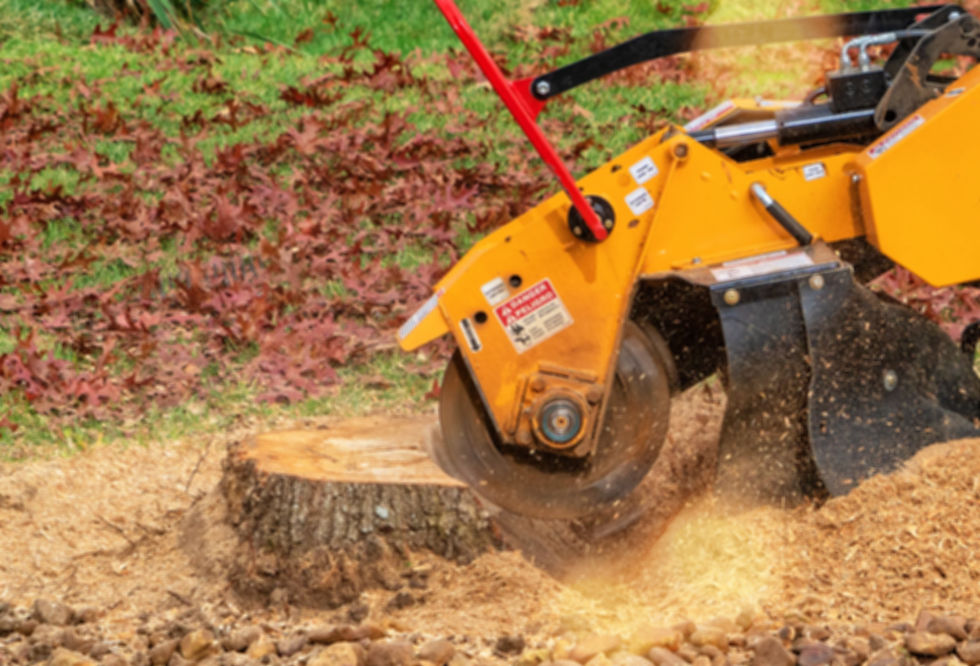
Stump grinding is a popular method that involves using a specialized machine to grind the stump down to below ground level. Here’s what you need to do:
Step 1: Rent a stump grinder from a local hardware store or hire a professional.
Step 2: Position the grinder over the stump and follow the manufacturer’s instructions.
Step 3: Grind the stump down until it is at least 4-6 inches below ground level.
Pros: Quick and effective for large stumps.
Cons: Requires renting equipment or hiring a professional, which can be costly.
4. Burning
Best for: Dry stumps in rural areas
If local regulations allow, burning can be an effective way to remove a stump. Here’s how to do it safely:
Step 1: Drill holes in the stump and fill them with a flammable substance (like kerosene).
Step 2: Allow the substance to soak in for a few hours.
Step 3: Light the stump on fire, ensuring you have a water source nearby for safety.
Pros: Can be a quick method if conditions are right.
Cons: Risk of fire spreading and may not be legal in all areas.
Preparing for Stump Removal
Before you start removing a stump, consider the following preparations:
Check Local Regulations: Some areas have restrictions on burning or using chemicals.
Assess the Area: Ensure there are no underground utilities near the stump.
Gather Necessary Tools: Depending on your chosen method, you may need specific tools like a shovel, axe, or stump grinder.
Post-Removal Considerations
Once the stump is removed, you’ll want to address the area left behind. Here are some options:
Fill the Hole: Use soil or mulch to fill the hole left by the stump. This will prevent water accumulation and promote healthy soil.
Plant New Vegetation: Consider planting grass, flowers, or shrubs in the area to enhance your landscape.
Install a New Feature: Use the space for a birdbath, garden bench, or decorative stone.
Hiring a Professional
If the task seems overwhelming or if you’re dealing with a large stump, hiring a professional may be the best option. Here are some tips for finding a reliable stump removal service:
Get Recommendations: Ask friends or neighbors for referrals.
Check Reviews: Look for online reviews and ratings of local services.
Request Quotes: Contact multiple companies to compare prices and services.
Conclusion
Removing a stump can significantly improve the look and safety of your yard. Whether you choose to tackle the job yourself or hire a professional, understanding the various methods available will help you make an informed decision. Remember to consider the size of the stump, your budget, and your physical ability when choosing a removal method. With these tips, Tampa Bay homeowners can confidently reclaim their outdoor spaces and enjoy a beautiful, stump-free yard.
Take the first step today by assessing the stumps in your yard and deciding on the best removal method for your needs!


Comments